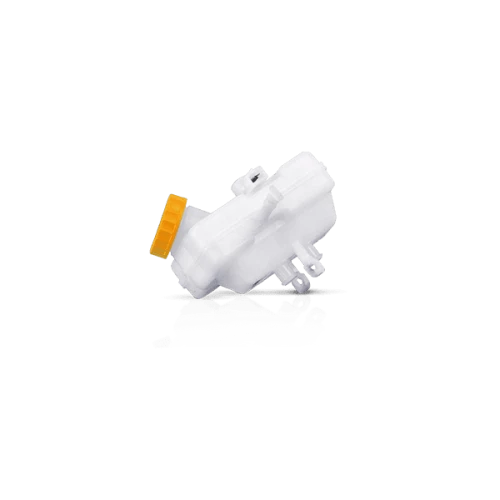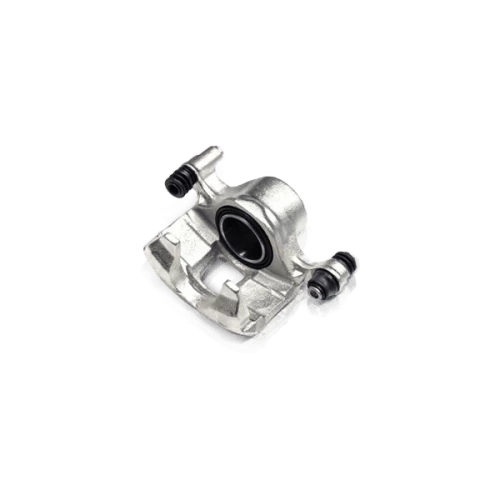

The brakes of a modern car are capable of bringing the vehicle to an immense deceleration in a very short time and distance. They are supported by various electronic systems.
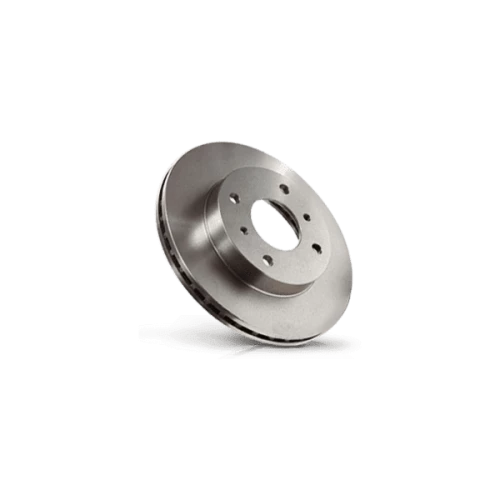
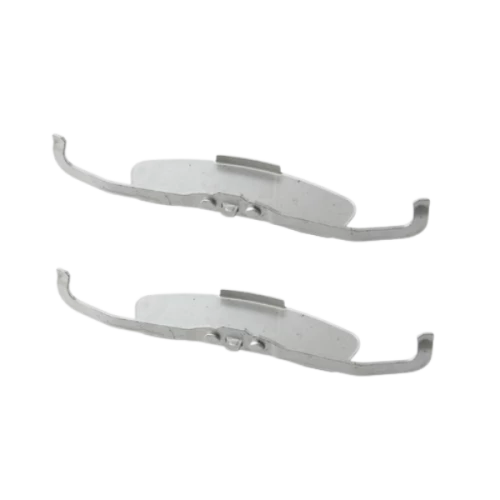
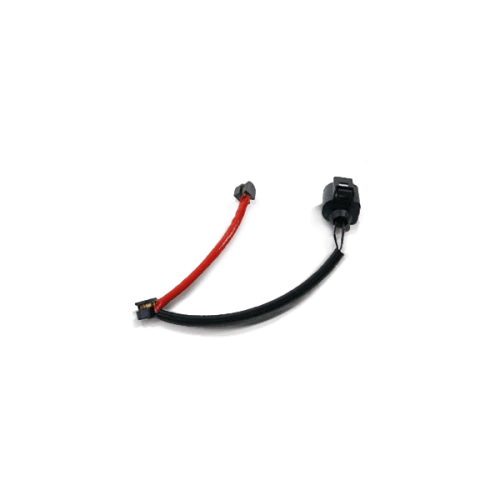
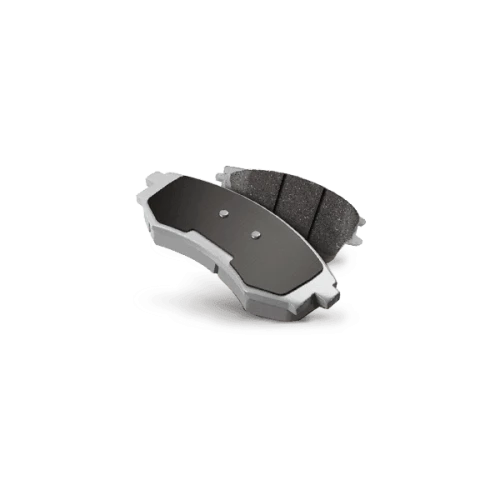
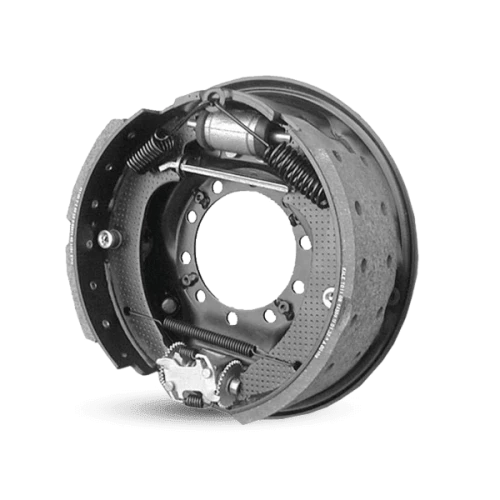
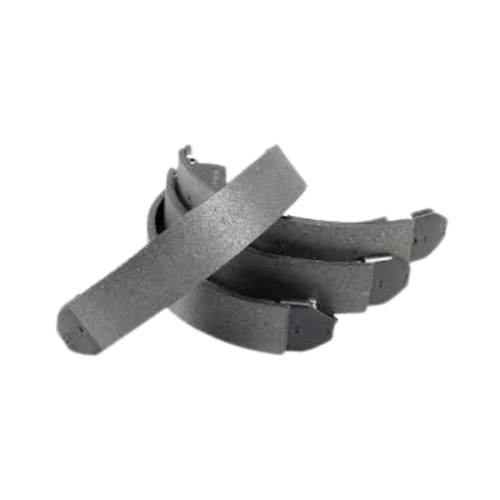
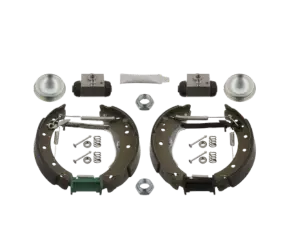
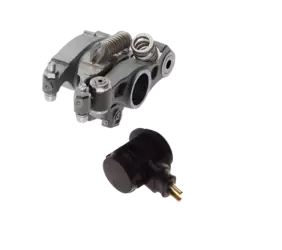
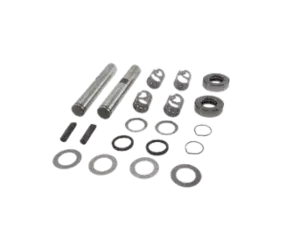
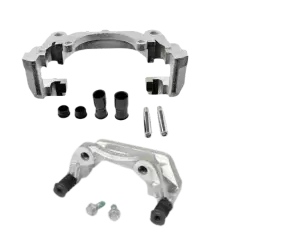
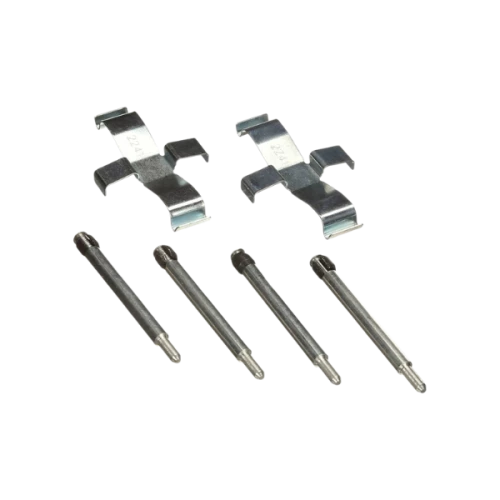
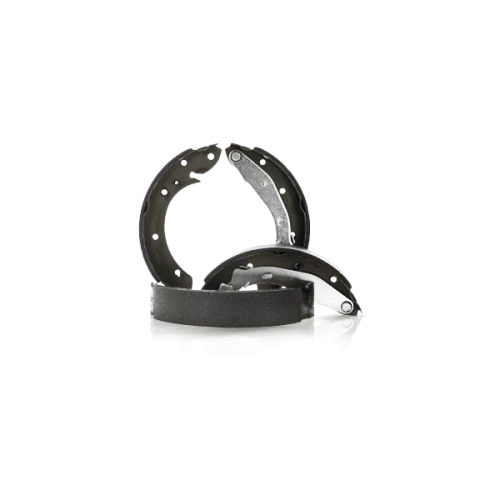
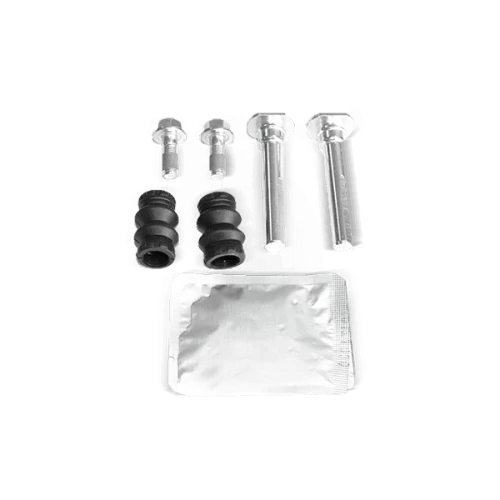
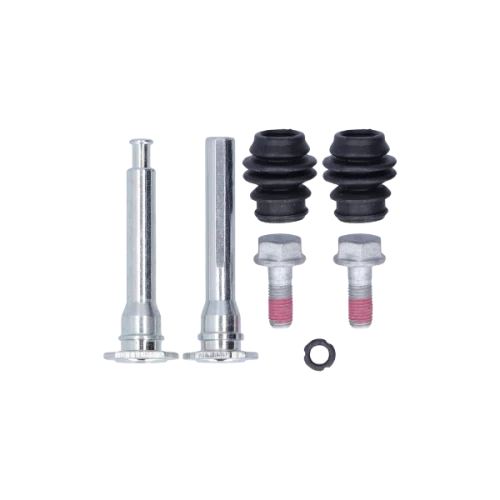
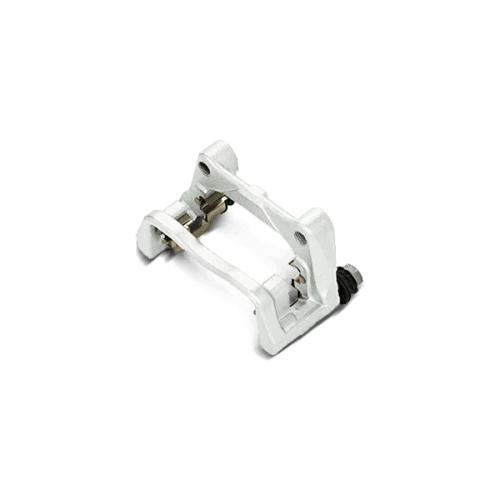
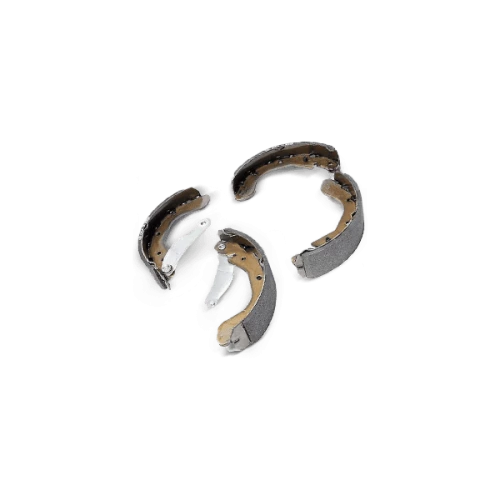
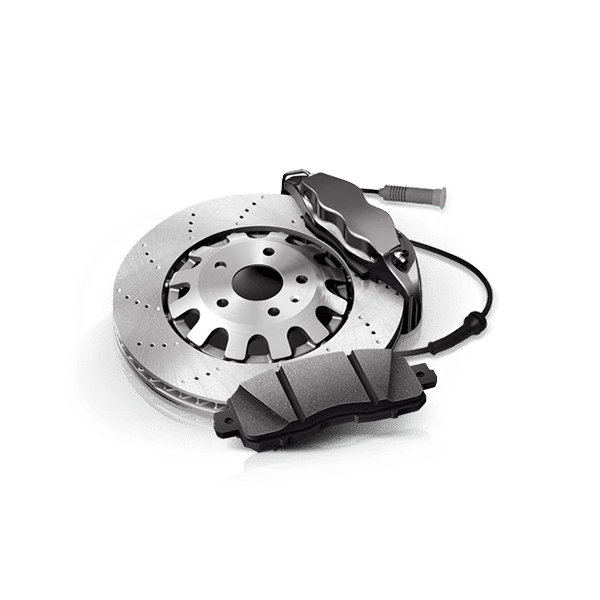
Modern cars are equipped with disc brakes. A metal disc mounted behind the wheel is slowed down when you press the brake pedal. Simply put, this converts kinetic energy into heat energy. In other words: the brake pads that slow down the brake disc must withstand high temperatures without wearing out too quickly. Brake pads do wear down and must be replaced regularly.
Keramic brakes
Sports cars sometimes have ceramic brake discs (for example, the Porsche 911). This type of brake disc is unaffected by heat and extremely wear-resistant. As a result, these brakes can withstand very heavy and prolonged use without experiencing “fading.”
Fading
Fading (English for “dying away” or “disappearing into the background”) occurs when the braking performance decreases due to heavy, prolonged use. You will need to press the pedal deeper to achieve the same braking effect, and noticeably less deceleration occurs. By this stage, the brakes have usually already been smelling for a while. Under normal driving conditions, fading will not occur.
Brakes: diagonally split circuit
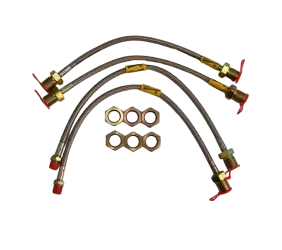
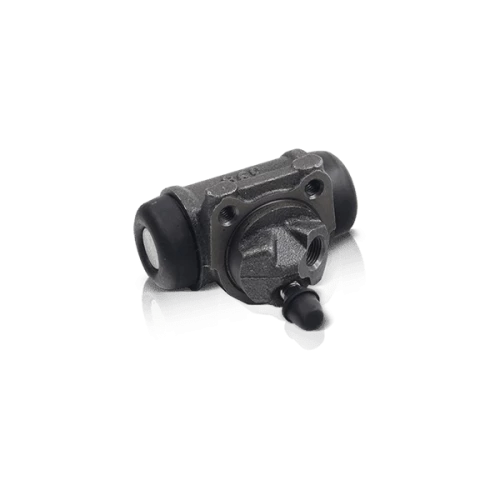
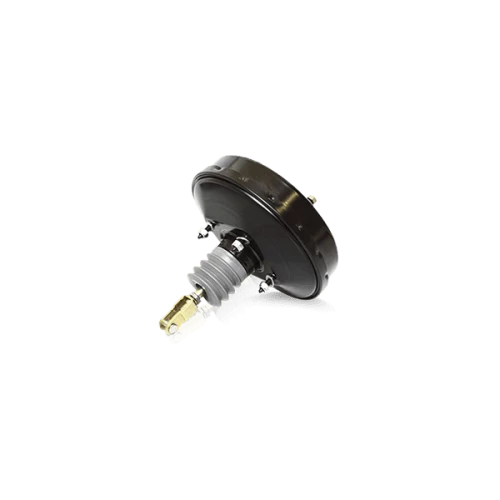
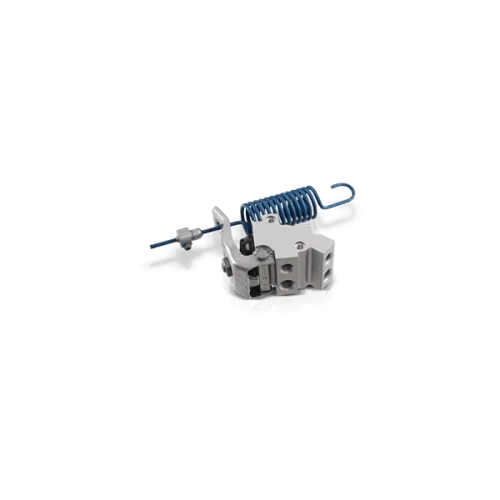
For maximum safety, the braking system is diagonally split. In other words, there are two hydraulic lines, each operating one front wheel and one rear wheel. Should one of the two systems fail or leak (the braking system is hydraulic and works with brake fluid), the car will still brake using at least one rear wheel and particularly one front wheel. This is important because most braking power comes from the front brakes, as the vehicle’s weight shifts forward during braking. Therefore, the front brake pads wear out faster than the rear ones.
ABS
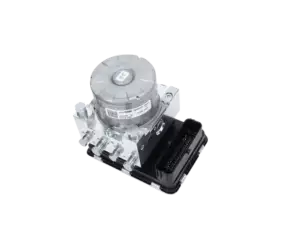
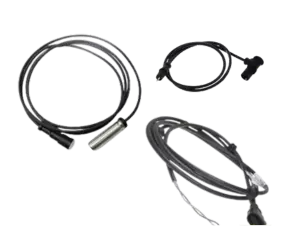
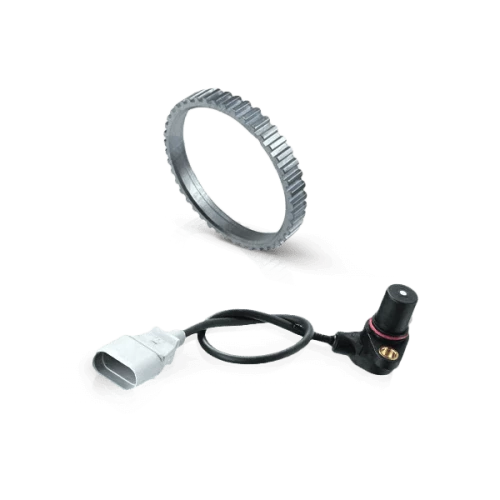
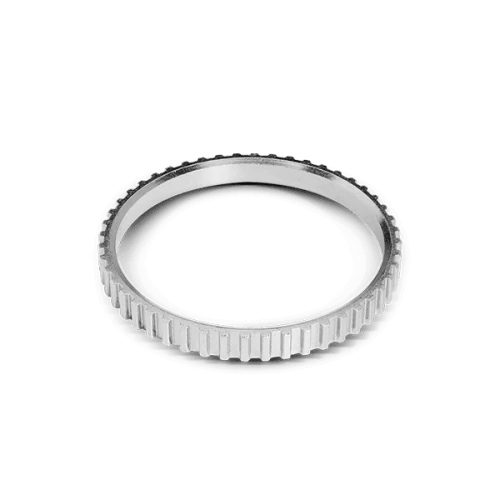
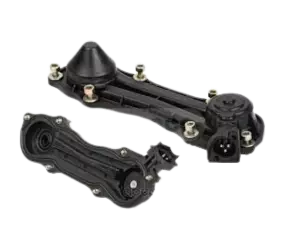
ABS stands for anti-lock braking system. Sensors at the wheels detect when a wheel is about to lock up (for example during an emergency stop or braking on snow or ice). When this happens, a computer slightly reduces the brake pressure so that the wheel does not lock completely. This keeps the car steerable at all times while achieving the shortest braking distance.
ABS originates from the aviation industry and has been used in cars since the 1980s. The first car to come standard with ABS was the Ford Scorpio. Today, ABS sensors are used for many additional functions that support braking. For example, traction control uses these sensors to achieve the opposite effect: maximizing grip without wheel spin on driven wheels.
Brake Assist
Brake Assist is a braking aid system that detects emergency situations based on how the brake pedal is pressed. In an emergency, Brake Assist automatically builds up maximum brake pressure at lightning speed, ensuring the strongest possible braking force. ABS ensures that the wheels do not lock.
Hill Hold
As the name suggests, Hill Hold prevents the car from rolling backward when stationary on a slope as you release the brake to drive off. It is essentially an electronic version of the “hill start assist” technique.
ESP
ESP stands for Electronic Stability Program. It ensures that the car remains controllable in dangerous situations. It attempts to keep the car from skidding (as much as possible) by braking the four wheels independently — and at the correct moment — and by reducing engine power. It reacts extremely quickly. ESP has been mandatory for all new vehicle models introduced since 2011. Models that were already approved before then and still sold new had to be equipped with ESP from November 1, 2014.
ESP has several control units:
Wheel speed sensors measure how fast the wheels rotate
A lateral acceleration sensor measures the sideways movement of the car
A steering angle sensor measures how far the front wheels are turned
If the values measured by these sensors exceed certain limits, the car “knows” it is about to skid. The system will then instruct the engine management to reduce power. The ABS pump receives the command to brake the appropriate wheels. All these actions are processed and executed within milliseconds.